Some links in this piece are affiliate links. If you buy through one, Wellness With Purpose earns a small commission and you pay exactly the same price. It never changes what I recommend or what I admit to quitting. The full disclosure is here.
1. I tried daily reflection for exactly seventeen days before I admitted it was not working. 2. I tried weekly reflection for a few months and it was better, but a certain kind of question still needed more room than a week could give it. 3. What I landed on is a monthly check-in, sitting alongside a lighter weekly one, and the two do different jobs.
1. Why monthly earns its own slot
Some questions do not have honest answers on a weekly timescale. Asking myself "am I spending my time on the right things" every seven days mostly gets me the same answer as last week, because a week is not long enough for real drift to show up. A month is long enough to notice a pattern that a single week would hide.
1a. I also noticed that a weekly version of this question made me anxious in a way the monthly one does not. Checking my overall direction every seven days felt like grading myself constantly, and constant grading is its own kind of pressure. Spacing it out to once a month gave the question room to be answered honestly instead of defensively.
2. The four questions I use
I keep this list a little longer than my weekly one because the monthly check-in has more room to breathe.
- What did I say yes to that I would say no to now? This surfaces commitments that made sense a month ago but stopped fitting.
- What have I been putting off checking in on? Not tasks. Relationships, my own health, a friendship that has gone quiet.
- Where did I feel most like myself this month? I try to name an actual moment, not a general vibe.
- What is one thing I want less of next month? Subtraction, not addition. I have enough sources telling me what to add.
3. Where and when I actually do this
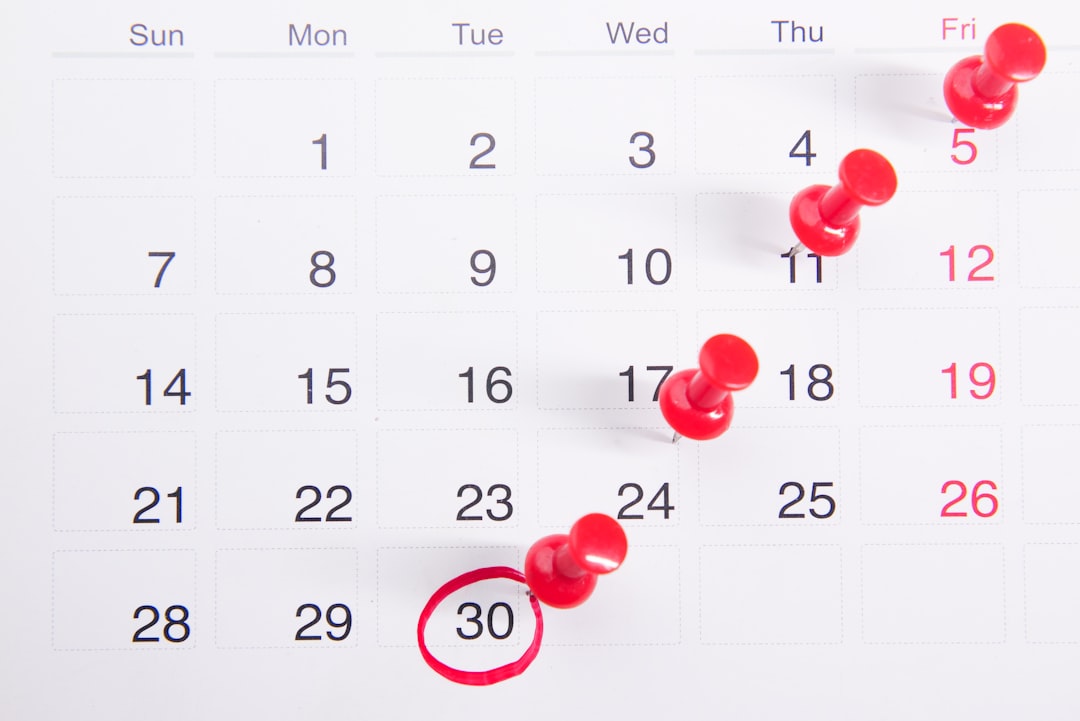
I do it on the first Saturday morning of the month, with coffee, before anyone else in the house is up. I picked a fixed anchor point rather than "sometime this week" because vague timing is exactly how good intentions quietly disappear. A specific day on a specific weekend rhythm survives distraction better than a floating intention does.
3a. I write the answers longhand in the back section of the same notebook I use for my weekly check-in, just with a page break and a date heading so I can tell the two apart later.
4. What the monthly rhythm caught that weekly missed
4a. A slow overcommitment to a volunteer role that felt fine week to week but, looked at across a month, had quietly eaten most of my discretionary time. 4b. A friendship where the gaps between conversations had stretched from weeks to a couple of months without either of us noticing on a weekly basis. 4c. A pattern of feeling most like myself specifically outdoors, which nudged me to protect that time more deliberately rather than letting it be the first thing cut.
None of these were emergencies. They were slow drifts, and slow drifts are exactly what a wider check-in interval is built to catch.
5. How this is different from my weekly check-in
5. The weekly one is about the texture of the days: what drained me, what gave me energy. The monthly one is about direction: am I still heading somewhere I actually want to go. I need both, and I have found that trying to compress them into a single practice made each one worse. The weekly check-in got too philosophical, and the monthly questions got too granular.
6. What I am careful not to do with this
6a. I do not use the monthly check-in to grade myself against a plan I made a year ago. It is a check-in, not a performance review. 6b. I also try not to let it turn into rumination, where I keep circling the same unresolved question for months without ever acting on what I have noticed. If the same answer shows up three months running, that is my cue to actually change something small, not just keep noting it.
6c. If a monthly check-in keeps surfacing something that feels more like persistent low mood than ordinary drift, that is worth bringing to a professional rather than trying to journal through it alone. This kind of reflection is meant to help with everyday adjustments, not to stand in for support when something feels heavier than that.
6d. Why I did not just make my weekly check-in longer
6d. I considered this before building a separate monthly practice, and it did not work for the same reason a longer daily journal did not work. Stretching the weekly check-in to cover both texture and direction made it take twice as long, and the extra length made me more likely to skip it on a tired Sunday. Keeping the two practices separate, each with its own short list of questions, meant neither one grew heavy enough to become a chore.
7. Starting your own version
7. Pick one question, pick one fixed date each month, and give it three months before judging whether it is worth keeping. The specific questions matter less than having a recurring, protected slot where you actually stop and look at the wider shape of your life instead of just the next task on the list.