Some links in this piece are affiliate links. If you buy through one, Wellness With Purpose earns a small commission and you pay exactly the same price. It never changes what I recommend or what I admit to quitting. The full disclosure is here.
Most of what I have written about checking in with myself involves a notebook and a fixed time to sit down. This one does not. Some weeks, sitting down with a pen feels like just another task to complete, and the check-in itself gets skipped because the format is too heavy for how I actually feel that day. So I built a version that happens on foot instead.
How the walking check-in works
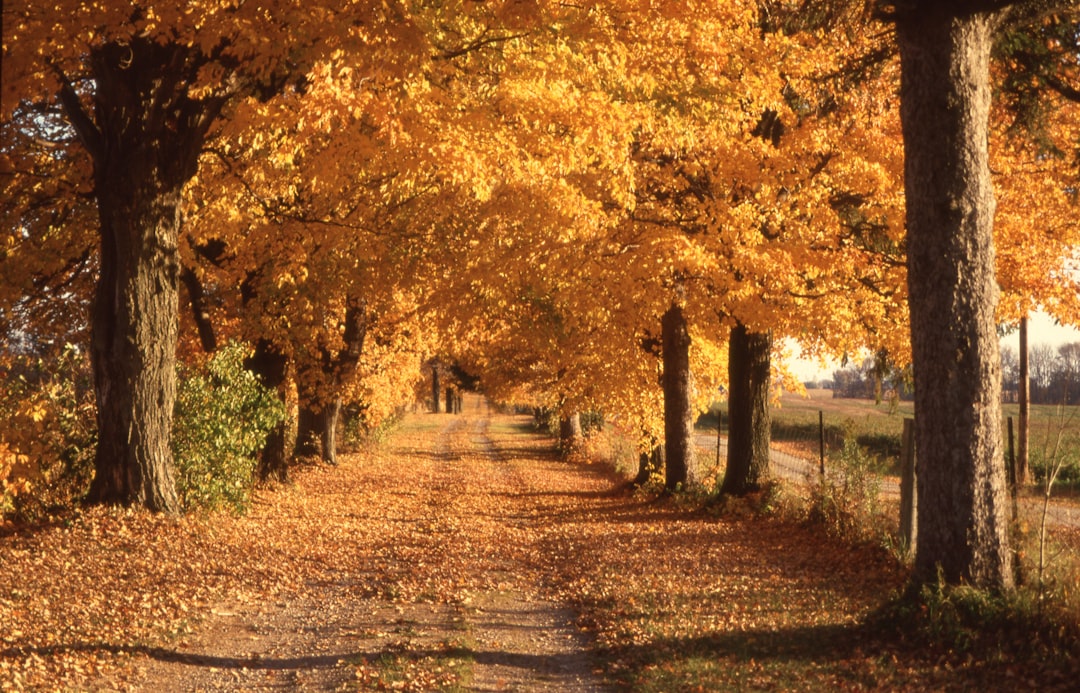
I take a twenty minute walk, usually around the block a few times or down to a nearby park, with no headphones and no phone in my hand. The absence of input is the whole point. I am not trying to learn anything or listen to anything. I am giving my own thoughts room to surface without a screen or a voice filling the space first.
I do not carry a specific list of questions on these walks the way I do for my Sunday notebook check-in. Instead I let one loose question sit in the background, something like "what has been on my mind lately that I have not actually looked at directly." Then I just walk and let whatever comes up, come up.
Why I built this as a separate practice
I noticed that some thoughts only showed up when I was moving and not trying to produce anything. Sitting down to write can, oddly, put pressure on a thought before it has fully formed. I would sit with my pen ready and feel like I had to write something coherent, which sometimes flattened a half-formed feeling into a tidier sentence than it deserved. Walking removes that pressure entirely. There is no page waiting to be filled, so a thought can stay messy and incomplete and I still get something out of noticing it.
What I do afterward
I do not write anything down during the walk. When I get back, I will sometimes jot one line in my notebook if something specific surfaced that I want to remember, but often I do not write anything at all. The walk itself was the check-in. This took me a while to accept, because I am used to treating reflection as something that needs a record to count. It does not. Noticing something and letting it settle is enough on its own plenty of the time.
When I reach for this instead of the notebook
- When I am feeling foggy rather than clearly upset or clearly fine, and I cannot yet name what is going on.
- When sitting still feels like the wrong thing for my body that day.
- When I have already tried to write and the words felt performative rather than honest.
- When I just need fewer decisions in front of me, and a walk is simpler than choosing which notebook question to answer first.
A pattern I only noticed because I stopped forcing a written format
Once I let go of needing a page to prove the check-in happened, I noticed that my most honest thinking about a hard decision almost always happened outdoors and almost never at my desk. That is a small thing, but it changed how I schedule difficult conversations with myself now. If I have a decision that keeps circling without resolution, I go for a walk on purpose rather than waiting for one to happen naturally.
The format of a check-in is not sacred. What matters is whether you actually show up for it, in whatever shape makes that most likely on a given day.
What this is not
This is not a substitute for exercise goals or step counts, and I try to keep it that way. The moment I start tracking distance or pace on these walks, they turn into a performance metric instead of a check-in, and the whole value of the practice disappears. I leave my watch at home or at least stop looking at it.
It is also not a place I go to solve problems on the spot. If something difficult comes up on a walk, I let it sit rather than trying to reason my way to a conclusion before I get home. And if a walk regularly leaves me feeling worse rather than clearer, or if what surfaces feels like more than ordinary rumination, that is a sign to talk to a professional rather than keep walking through it alone.
What kind of walk this needs to be
Not every walk works for this. A walk with a destination, like getting to the store or making it to an appointment on time, keeps part of my attention on the clock and the route, and that leftover attention is exactly what the check-in needs. The walks that work best for me are the ones with no real purpose beyond the walk itself, where I could turn back after five minutes or keep going for forty and either way would be fine.
Building your own version
If a notebook check-in has never quite stuck for you, try trading the page for a walk before giving up on the habit entirely. Keep it unstructured. Leave the phone behind. Let one loose question sit in the background rather than a whole list. The value is in the noticing, not in producing anything you can point to afterward.